






Ultimate SEO Ranking Tracking Guide for Better Results
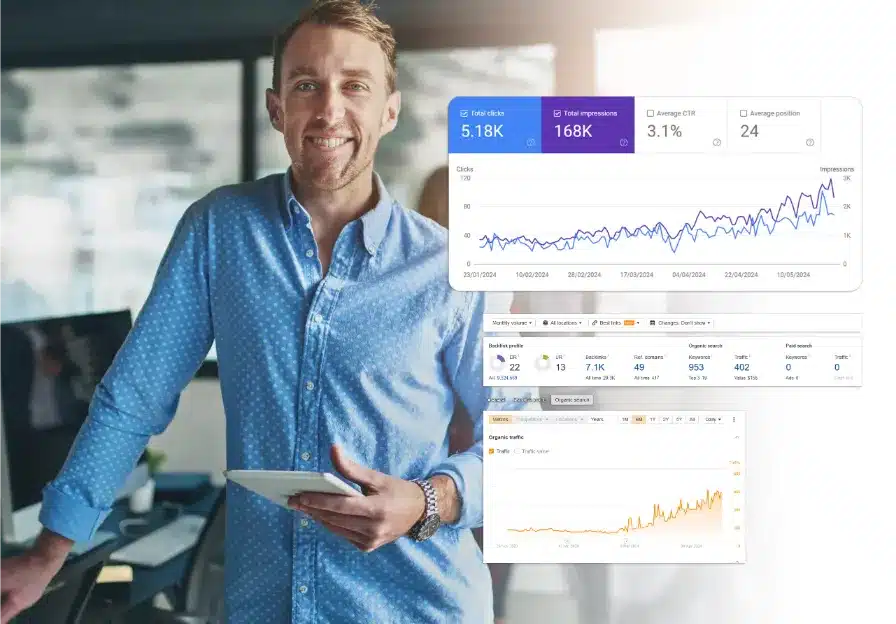
SEO ranking tracking represents the foundation of successful online marketing campaigns, providing essential insights into how well your website performs in search engine results. When businesses understand where their pages rank for targeted keywords, they can make informed decisions about their marketing strategies and resource allocation. At Superlewis Solutions, we help businesses implement comprehensive ranking monitoring systems that transform raw data into actionable insights, enabling companies to achieve sustained growth in organic search visibility. Contact our team today to discover how professional SEO ranking tracking can accelerate your online success.
This comprehensive guide will walk you through the essential elements of effective ranking monitoring, from understanding the fundamentals to implementing advanced tracking strategies. You’ll learn about the tools and techniques that drive results, discover how to interpret ranking data for maximum impact, and understand how professional SEO services can streamline your tracking efforts while delivering measurable improvements in search performance.
Understanding the Evolution of Search Engine Monitoring
The landscape of search engine optimization has transformed dramatically over the past two decades, with ranking monitoring evolving from simple position checking to sophisticated analytical systems. Early SEO practitioners relied on manual searches and basic tools that provided limited insights into search performance. Today’s tracking methodologies incorporate advanced algorithms, real-time data collection, and comprehensive analysis of multiple ranking factors.
Modern search engines use hundreds of ranking signals to determine page positions, making traditional monitoring approaches insufficient for comprehensive optimization strategies. Geographic location, device type, search history, and personalization factors all influence the results users see, creating a complex environment that requires sophisticated tracking solutions. This complexity has led to the development of specialized tools and methodologies that provide accurate, actionable data for optimization decisions.
The shift toward mobile-first indexing and local search prominence has further complicated the monitoring landscape. Businesses must now track rankings across multiple devices, locations, and search contexts to gain a complete picture of their search performance. Understanding these changes helps organizations develop more effective monitoring strategies that align with current search engine behaviors and user expectations.
Core Components of Effective SEO Ranking Tracking Systems
Successful ranking monitoring systems incorporate multiple data sources and analytical approaches to provide comprehensive insights into search performance. Keyword selection forms the foundation of any effective tracking strategy, with businesses needing to monitor both primary target terms and long-tail variations that drive qualified traffic. The selection process should consider search volume, competition levels, and alignment with business objectives.
Frequency of monitoring plays a crucial role in maintaining accurate performance insights. While daily tracking provides the most current data, the optimal frequency depends on factors such as industry competition, campaign intensity, and available resources. High-competition markets may require daily monitoring, while established businesses in stable markets might benefit from weekly or bi-weekly tracking schedules.
Geographic and device-specific tracking ensures comprehensive coverage of search performance across different user contexts. Local businesses must monitor rankings in specific geographic regions, while companies targeting national or international markets need broader geographic coverage. Device-specific tracking reveals how pages perform differently on desktop versus mobile devices, informing optimization strategies for different user experiences.
Advanced Tracking Methodologies and Best Practices
Professional SEO ranking tracking extends beyond basic position monitoring to include comprehensive analysis of ranking trends, competitor performance, and search landscape changes. Trend analysis helps identify patterns in ranking fluctuations, distinguishing between temporary variations and significant algorithm updates that require strategic adjustments. This analytical approach enables proactive optimization rather than reactive responses to ranking changes.
Competitor monitoring provides valuable insights into market dynamics and optimization opportunities. By tracking how competing websites perform for shared keywords, businesses can identify gaps in their own strategies and discover new optimization opportunities. This competitive intelligence informs content creation, technical optimization, and strategic planning decisions that drive improved search performance.
Integration with other analytical tools creates a comprehensive view of search performance and its impact on business objectives. Combining ranking data with traffic analytics, conversion metrics, and revenue attribution provides insights into the business value of different keywords and optimization efforts. This holistic approach ensures that tracking efforts align with broader marketing and business goals.
Interpreting Ranking Data for Strategic Decision Making
Raw ranking data becomes valuable only when interpreted correctly and applied to strategic optimization decisions. Successful interpretation requires understanding the relationship between ranking positions and business outcomes, considering factors such as search volume, click-through rates, and conversion potential. High rankings for low-value keywords provide limited business benefit, while moderate positions for high-intent terms may drive significant results.
Seasonal patterns and industry cycles influence ranking performance and must be considered when analyzing tracking data. Many businesses experience predictable fluctuations based on seasonal demand, holiday shopping patterns, or industry-specific cycles. Understanding these patterns helps distinguish between normal variations and performance issues that require intervention.
Algorithm updates and search engine changes can cause significant ranking fluctuations that appear alarming without proper context. Professional interpretation of tracking data considers the broader search landscape, recent algorithm announcements, and industry-wide ranking changes. This contextual analysis prevents unnecessary panic while ensuring that genuine performance issues receive appropriate attention.
| Tracking Approach | Best Use Cases | Key Benefits | Considerations |
|---|---|---|---|
| Daily Monitoring | High-competition markets, new campaigns | Real-time insights, quick response capability | Higher resource requirements, potential data overload |
| Weekly Tracking | Established businesses, stable markets | Balanced insights, manageable data volume | May miss short-term fluctuations |
| Monthly Analysis | Long-term strategy, budget constraints | Cost-effective, trend identification | Limited responsiveness to changes |
| Real-time Alerts | Critical keywords, competitive situations | Immediate notification, rapid response | Potential false alarms, requires filtering |
How Superlewis Solutions Transforms SEO Ranking Tracking
At Superlewis Solutions, we understand that effective SEO ranking tracking requires more than just monitoring positions – it demands comprehensive analysis, strategic interpretation, and actionable recommendations that drive real business results. Our approach combines advanced tracking technologies with over twenty years of optimization experience to deliver insights that transform search performance.
Our fully managed SEO services include sophisticated ranking monitoring systems that track performance across multiple dimensions, providing clients with clear, actionable insights into their search visibility. We monitor not just primary keywords but also long-tail variations, competitor performance, and emerging opportunities that others might miss. This comprehensive approach ensures our clients maintain competitive advantages in their markets.
The integration of AI-powered analysis tools enhances our tracking capabilities, enabling us to identify patterns and opportunities that traditional monitoring approaches might overlook. Our team combines this technological advantage with strategic expertise to provide recommendations that align with each client’s specific business objectives and market conditions. This personalized approach ensures that tracking efforts translate into measurable improvements in traffic, leads, and revenue.
Our clients benefit from regular performance reports that translate complex ranking data into clear business insights. Rather than overwhelming businesses with raw data, we focus on actionable recommendations that drive results. This strategic approach to SEO ranking tracking has helped our clients achieve significant improvements in search visibility and business outcomes, contributing to our track record of generating substantial revenue increases for businesses across various industries.
Emerging Trends and Future Considerations
The future of search engine optimization and ranking monitoring continues to evolve with technological advances and changing user behaviors. Voice search optimization presents new challenges and opportunities for ranking tracking, as traditional keyword monitoring approaches may not fully capture voice search performance. Businesses must adapt their tracking strategies to account for conversational queries and featured snippet opportunities.
Artificial intelligence and machine learning technologies are reshaping both search algorithms and tracking methodologies. These advances enable more sophisticated analysis of ranking factors and user intent, providing deeper insights into search performance. Organizations that embrace these technological improvements gain competitive advantages through more accurate tracking and better optimization decisions.
The increasing importance of user experience signals in search rankings requires expanded monitoring approaches that go beyond traditional keyword positions. Page speed, mobile usability, and core web vitals now influence search performance, necessitating comprehensive tracking systems that monitor technical performance alongside keyword rankings. This holistic approach ensures that optimization efforts address all factors that influence search visibility.
Conclusion
Effective SEO ranking tracking serves as the compass for successful search engine optimization strategies, guiding businesses toward improved visibility and better results. The evolution from simple position checking to comprehensive analytical systems reflects the increasing complexity of modern search environments and the need for sophisticated monitoring approaches.
Understanding the core components of effective tracking systems, implementing advanced methodologies, and interpreting data correctly enables businesses to make informed optimization decisions that drive real results. The integration of multiple data sources, competitor analysis, and trend identification creates a comprehensive view of search performance that supports strategic planning and tactical execution.
How will your business adapt its SEO ranking tracking approach to capture emerging opportunities in voice search and AI-driven results? What competitive advantages might you gain by implementing more sophisticated monitoring systems that go beyond basic position tracking? How can professional tracking services help you focus on core business activities while ensuring optimal search performance?
Ready to transform your search engine optimization results through professional ranking monitoring and strategic insights? Contact Superlewis Solutions today at +1 (800) 343-1604 or visit our contact form to discover how our comprehensive SEO services can accelerate your online success. Let our experienced team help you implement tracking systems that deliver actionable insights and measurable improvements in search visibility, traffic, and conversions.
Transform Your Business
Enter your details (right), along with a brief message and we will reply quickly within 2 business days.
We can also meet in person or by Teams video meeting to discuss SEO marketing and content creation services.
Phone (Toll Free)
+1 (800) 343-1604
Postal Address
Superlewis Solutions Ltd
PO Box 33531, RPO Cottonwood,
Maple Ridge, BC, Canada V4R 0H2